AI Enabled Medical Transcripts
Industry
General Healthcare
Techstack
Year
2026
Background
Healthcare professionals spend significant time on manual documentation, including writing notes, updating records, and summarizing procedures. This reduces time available for patient care and often leads to inconsistencies and delays in data entry. To address this, an AI-powered transcription and documentation platform was developed to convert spoken consultations and field inputs into structured, searchable digital records in real time.
Who it's for
- 1This solution is designed for healthcare providers, technicians, and field staff involved in clinical documentation. It is also applicable across diagnostics, insurance, and teleconsultation environments where accurate, timely, and structured record-keeping is essential for operations and compliance.
The Challenge
Organizations faced challenges with time-consuming manual documentation and delayed or incomplete record updates. Variability in terminology and note quality affected consistency, while the lack of structured data limited analytics capabilities. Inconsistent documentation also created compliance risks, and the administrative burden contributed to increased workload and burnout among clinical staff.
Our Solution
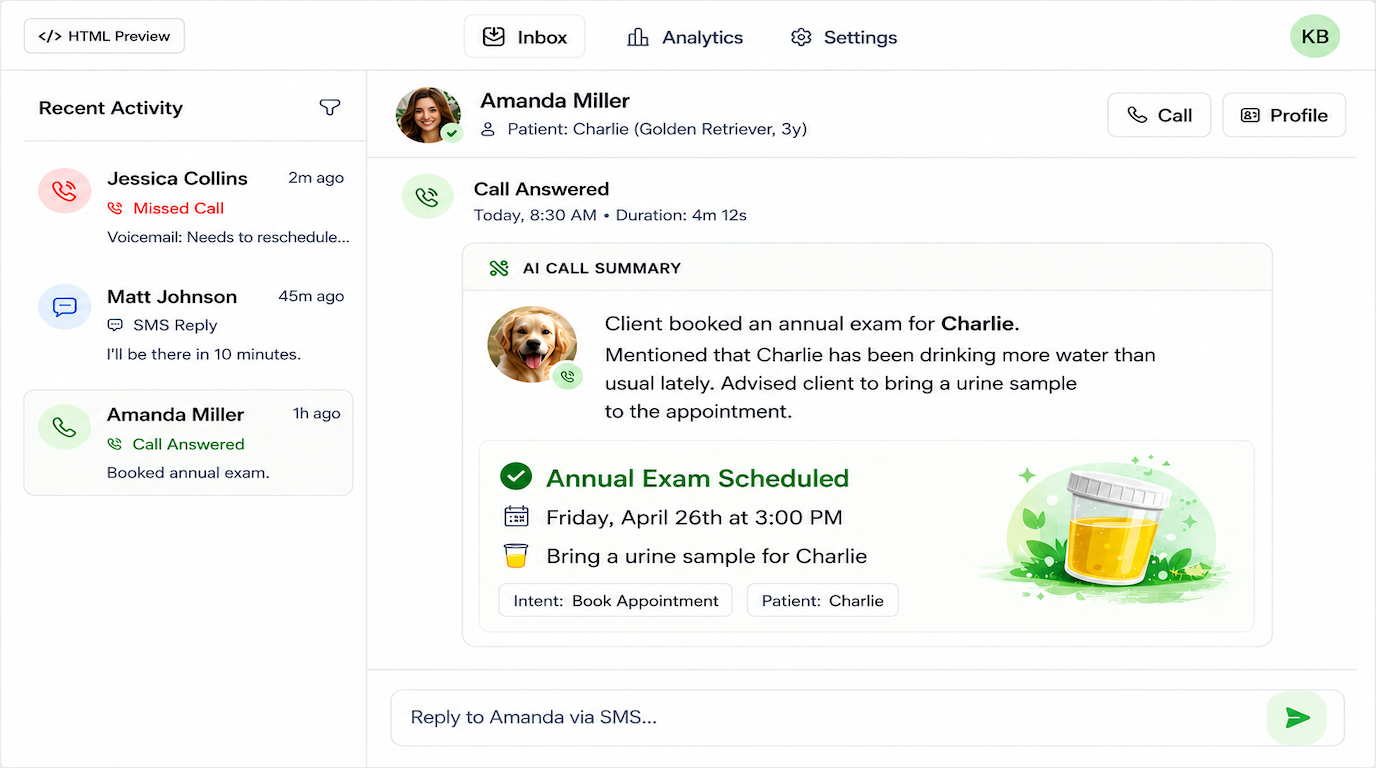
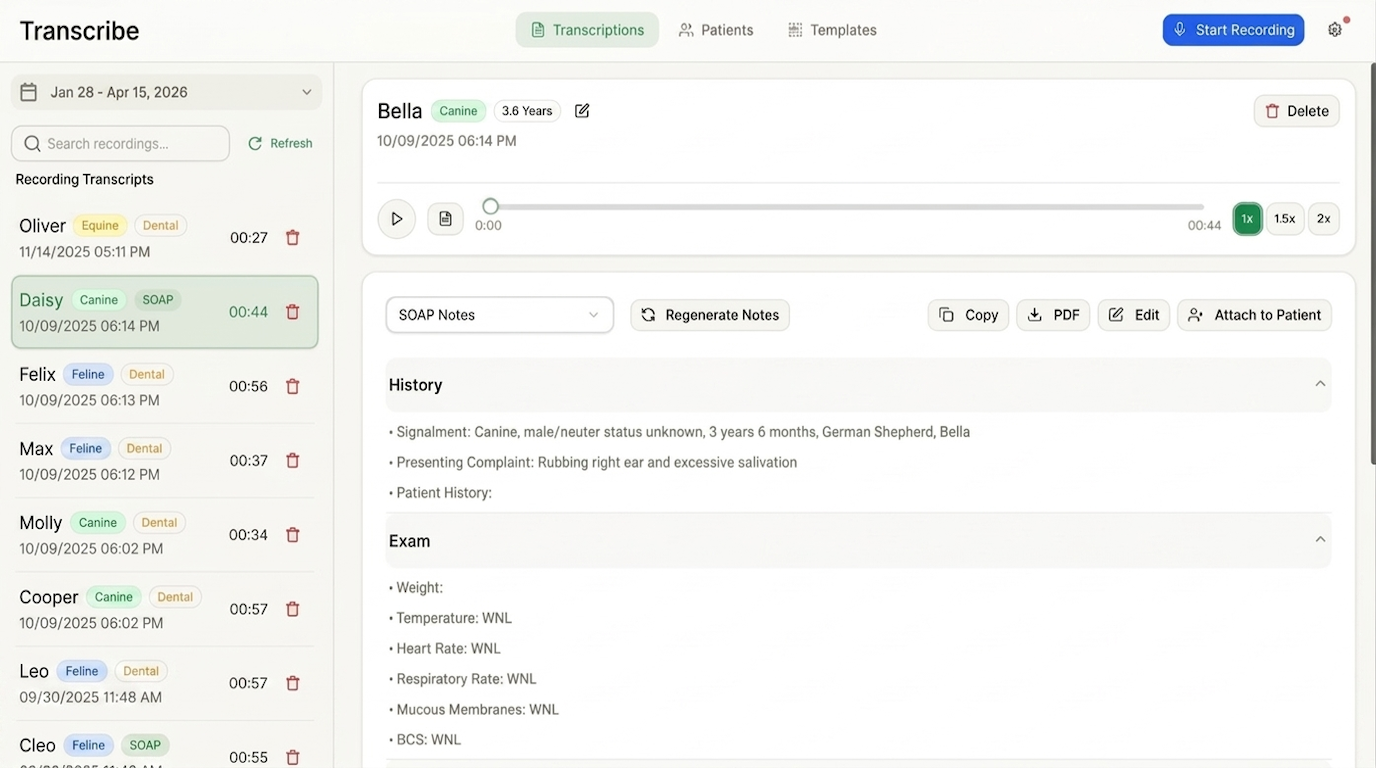
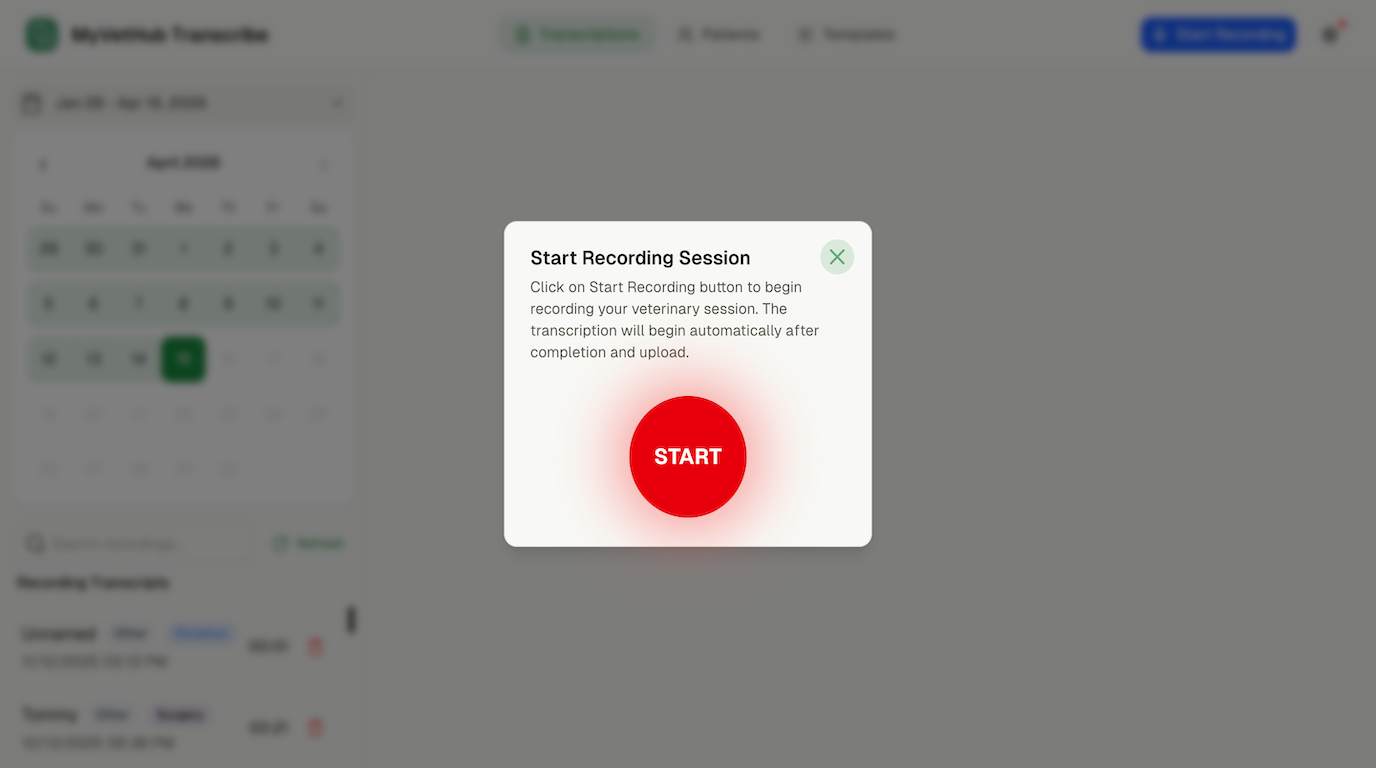
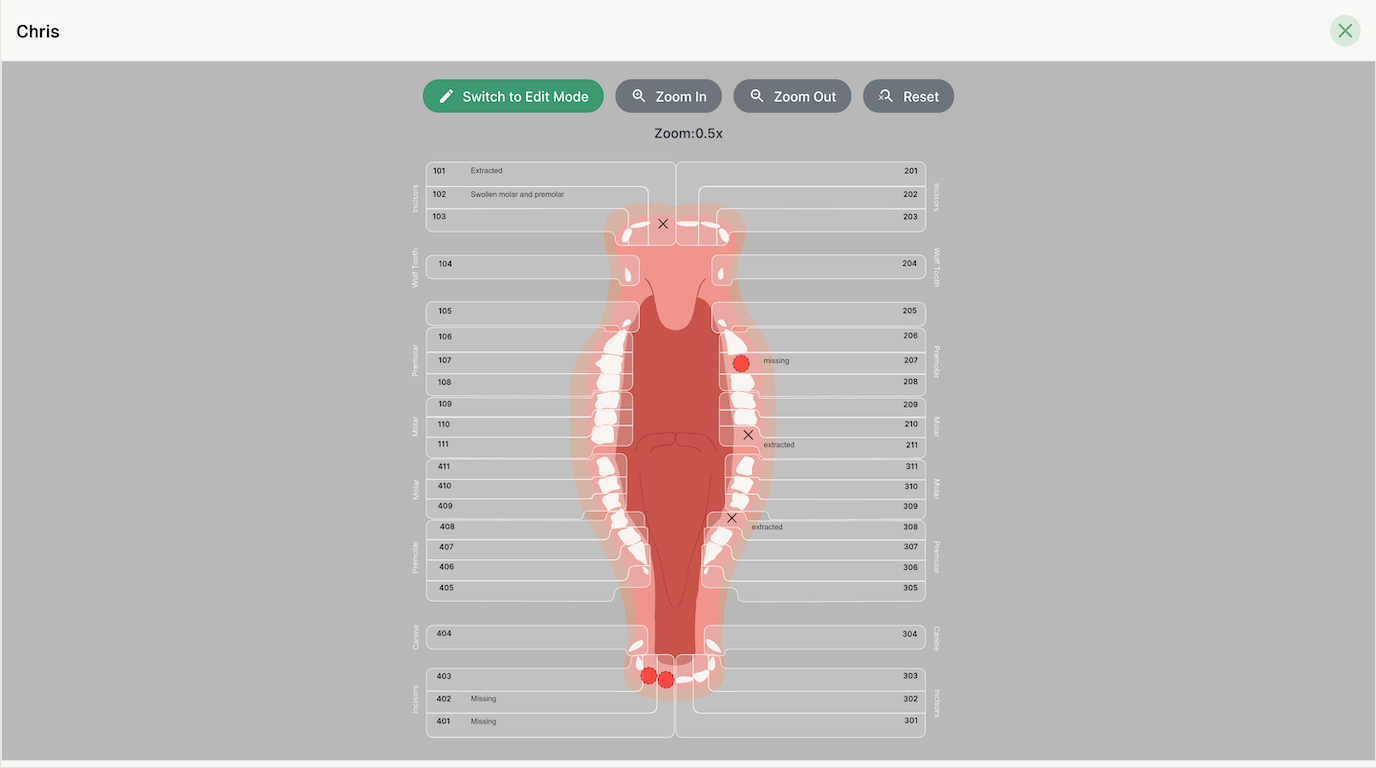
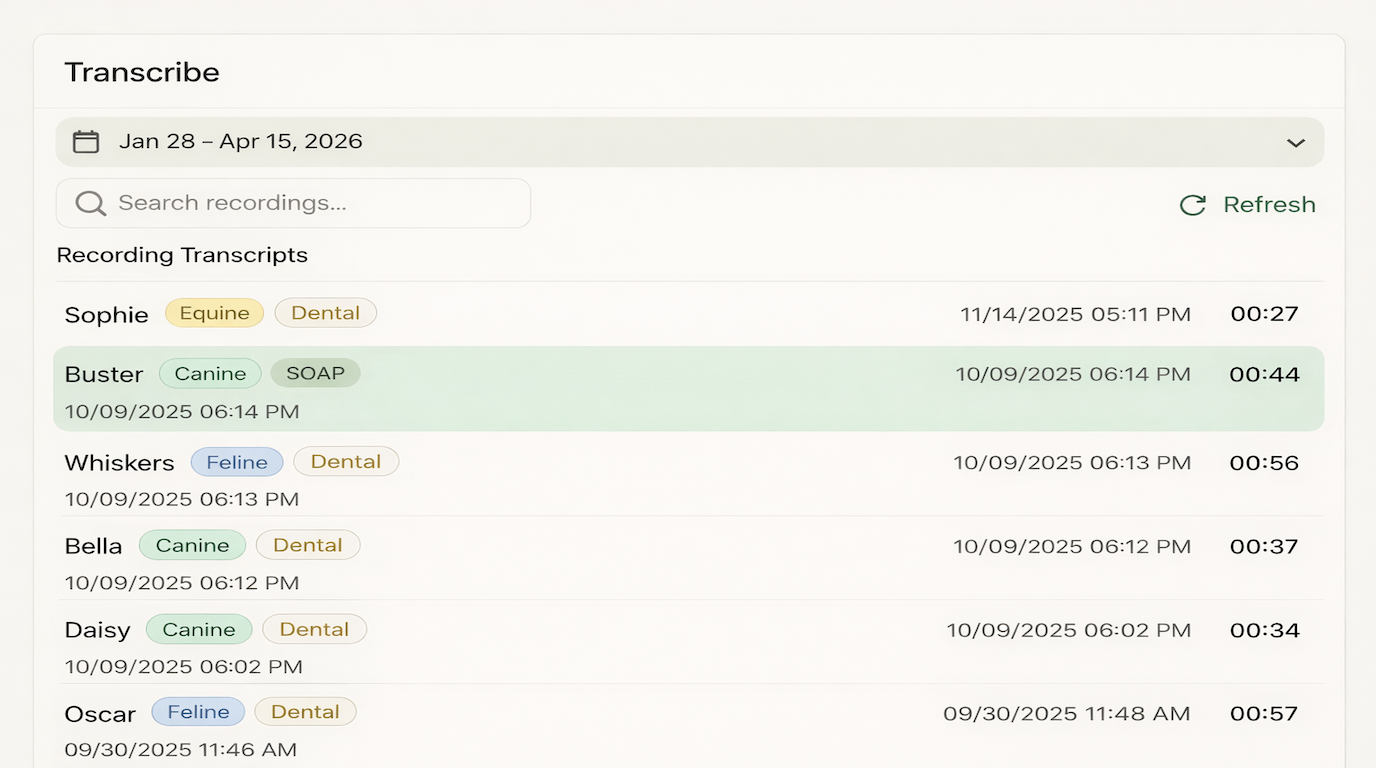
An AI-powered transcription engine was developed to convert live or recorded speech into accurate text in real time. The system generates structured summaries by extracting key clinical information such as symptoms, assessments, and recommendations. It ensures secure, encrypted processing with controlled access, while also supporting integration with existing systems through exportable formats and APIs, enabling seamless workflow adoption.
The Results
The solution significantly reduced the time spent on documentation while improving the consistency and accuracy of clinical records. Structured and standardized outputs strengthened compliance and made data more accessible for analysis and reporting. Healthcare professionals were able to focus more on patient interactions, while organizations benefited from improved operational efficiency and better-quality documentation across workflows.
Next Project
AI Healthcare Assistant